
At Guerra, work comes in from two directions. Customer requests arrive by email; trip documents come back over WhatsApp, in the photos drivers send.
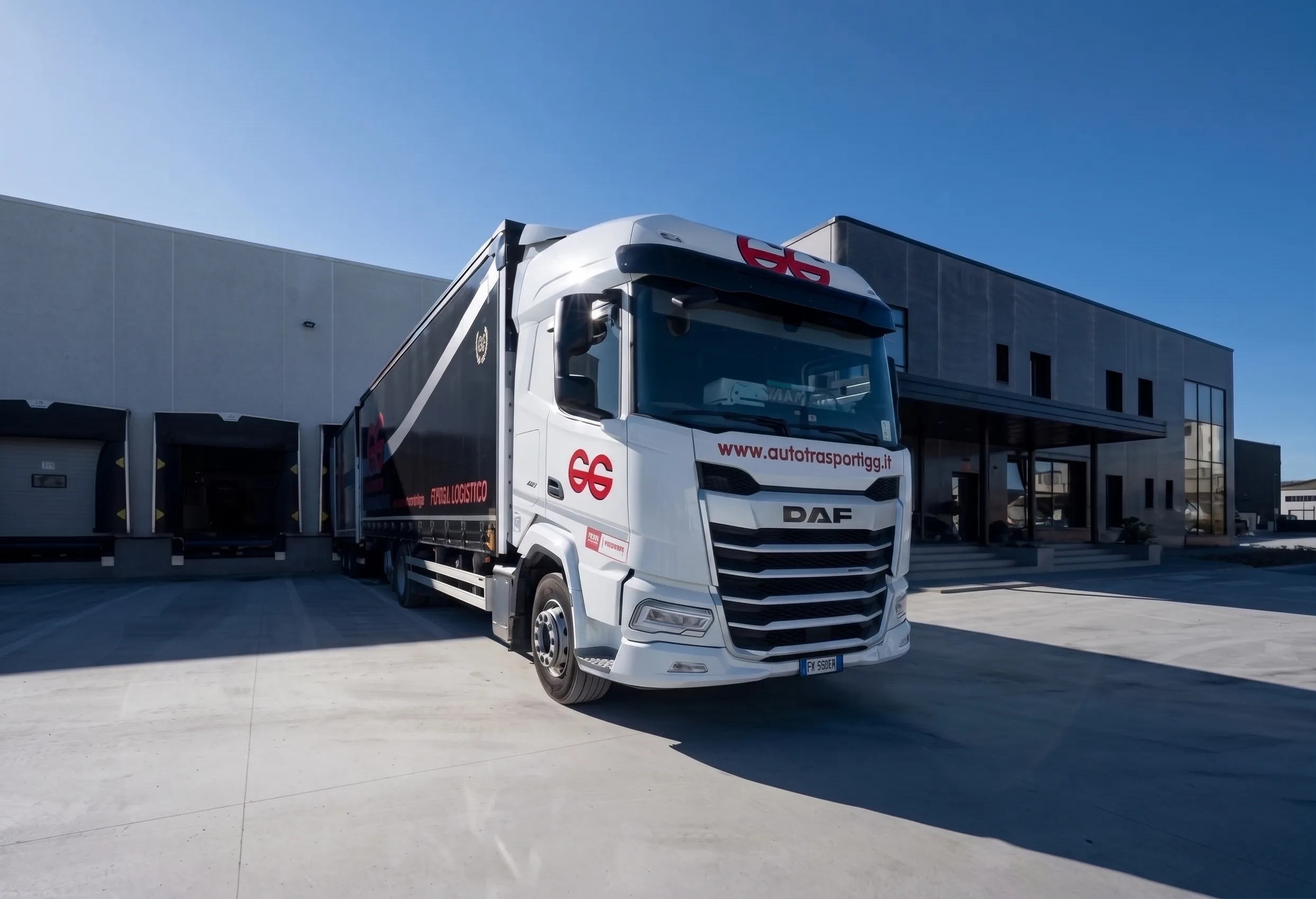
Autotrasporti Guerra Graziano is a haulage company based in Pesaro, with four sites. Every trip starts with a request to read and price, and ends with a signed delivery note to match and file. In between, until recently, sat the office’s manual work.
The problem
Two flows, both read by hand
A quote request arrives as an email, often buried in a long thread: pickup, delivery, packages, weights, dates. Someone had to read it, find the customer in the master data, look up similar trips to set a price and write the reply. In haulage, whoever answers first often gets the load, and every hour spent retyping data is an hour in which the customer can ask someone else.
On the other side were the documents coming back. Drivers, owner-operators included, send a photo of the signed delivery note over WhatsApp: around 500 PODs a day. For each one, someone had to work out which trip it belonged to, check signatures and pallets, and file it.
And until the document was matched, the trip stayed open. When the note came back with the driver it could take weeks, and only then could the trip be invoiced, by hand.
“[Quote to collect: what handling requests and PODs looked like before quadra, in Enrico Guerra’s words.]”
The solution
The agents read, the operator decides
Guerra didn’t change tools. Requests still land in the same Outlook inbox, documents on the same WhatsApp, and the TMS is the one they’ve always used. quadra’s agents work in between.
Quote requests
When a request comes in, the agent reads the email and its thread, pulls out the trip details and finds the customer, sender and consignee in the master data. Then it proposes a rate based on trips already run on similar routes and drafts the reply.
The quote doesn’t go out on its own. The operator finds it already filled in, corrects it if needed and approves it; only then does the agent enter the trip in the TMS. If something doesn’t add up, say a total weight that doesn’t match the packages, the agent flags it instead of entering it. And uneven EPAL pallet exchanges stay with the operator, by design.
Documents coming back
On the other front, the agent receives the delivery-note photos from WhatsApp, reads them and compares them with the trips in the TMS until it finds the right one. It checks the unloading signatures and the pallets loaded against those confirmed, files the document and flags that the trip can be closed.
“[Quote to collect: why quote approval stays with the operator.]”
The results
Quotes go out sooner, trips close sooner
Today quote requests reach the operator already read and priced. Since response times came down, Guerra wins [X]% more trips. [Figure and reference period to be measured.]
500 PODs a day, none retyped
The roughly 500 PODs that arrive over WhatsApp every day are read and matched to their trip automatically. The document no longer waits for the driver to come back: the trip can close as soon as the photo arrives. [Office hours freed to be confirmed.]
Does your traffic office work the way Guerra’s did before quadra?
The lesson from Guerra is that answering sooner doesn’t mean checking less. The agent does the reading and the searching; the decision stays with a person.
- Start where you lose loads. At Guerra it was quote requests: every hour of waiting is an opening for a competitor.
- Leave the tools where they are. Outlook, WhatsApp and the TMS stay the same; what changes is who does the reading.
- Keep the last word in the office. No quote goes out and no trip enters the TMS without the operator’s sign-off.
- Put your history to work. Proposed rates start from trips already run, not from a price list someone has to keep updated.
Guerra started with two flows, incoming requests and returning documents. Everything else builds on top of them.